Trump is making good on his tariff threats—this time targeting the auto industry. He announced a 25% tariff on all cars not made in the U.S., seemingly leaving no room for exemptions, even for Canada and Mexico, despite their free trade agreements with the U.S. What’s still unclear is when these tariffs take effect and whether they’ll also hit auto parts, which his trade team had been considering exempting.
According to Trump, the U.S. will start collecting these auto tariffs on April 3, right after he rolls out a broader set of trade measures. Originally, his “reciprocal tariffs” were supposed to match what foreign nations charge U.S. goods, but now he’s saying the final numbers might be lower. “In many cases,” he claimed, “the tariffs will be less than what [other countries] have been charging us for decades.”
The tariffs won’t be targeted at just a handful of countries, either. Treasury Secretary Scott Bessent had hinted that only a small portion of trading partners might be hit first, but Trump shut that down—these tariffs are coming for everyone.
As usual, his team is bouncing between hardline tariffs and hints of leniency. Initially, Trump planned to slap industry-specific tariffs on sectors like semiconductors, lumber, and pharmaceuticals on April 2, but now he’s backing off that timeline. Those tariffs are still on the table, just not for immediate rollout.
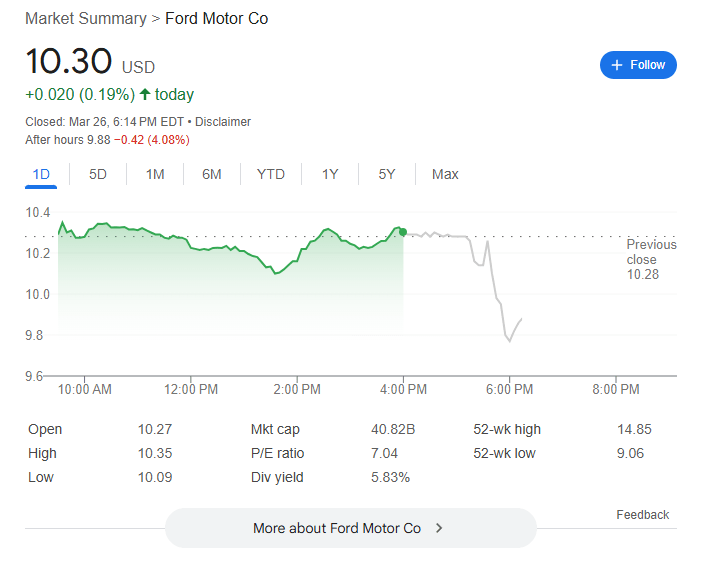
When pressed about the potential impact on car prices and U.S. automakers, Trump brushed it off, saying companies with U.S. factories will be “thrilled” with the move. I’m not so sure about that. I don’t think Ford is thrilled.
Trump had been floating the idea of reciprocal tariffs for months—saying he’d match what other countries charge the U.S. But now, he’s signaling some flexibility. The White House is reportedly considering a plan that would offer certain countries some breathing room. “I’ll probably be more lenient than reciprocal, because if I was reciprocal, that would be very tough for people,” he told Newsmax on Tuesday.
Behind the scenes, Trump’s economic team is working on calculating tariff rates based on each country’s trade barriers, including taxes and regulations. However, they might not implement the full value of those rates for every country, leaving the door open for negotiation.
So does he back off eventually? On autos, probably not. He’ll likely meet with the heads of Ford, GM, etc, but insist that his methodology is correct. Congrats America, this is your economic dictator!
 Less Dumb Investing
Leave a comment